
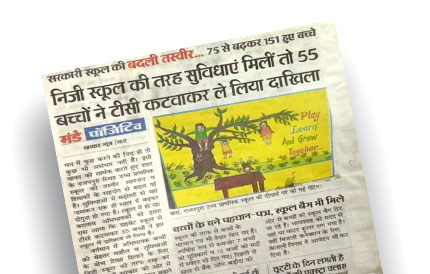
In Baran, Rajasthan District Launched enrolment & Transition campaign, teachers initiated Door to Door campaign and organizing mass rallies, 19776 new students enrolled in the government schools
Program: Future Ready Districts
Akanksha: A ray of hope in Hailkandi
Hailkandi is considered as one of the most backward districts of Assam with 50% of the area reserved as forest. It is a part of Aspirational Districts Programme initiated by NitiAayog in partnership with Piramal School of Leadership to improve the performances in key indicators that measure development including education. The same district registered a 30 percent increase in learning outcomes of students at lower and upper primary levels in December 2019. Named Akanksha, an Accelerated Learning Program (ALP) launched by the district administration and Department of Education in collaboration with Piramal School of Leadership in September 2019 has yielded positive outcomes. The programme was launched to tackle the gap in foundation skills of language and numeracy of students of primary and upper primary schools.
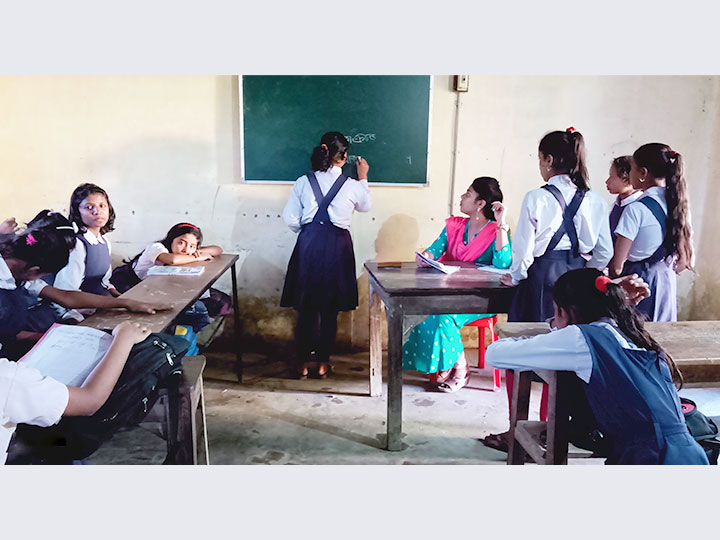
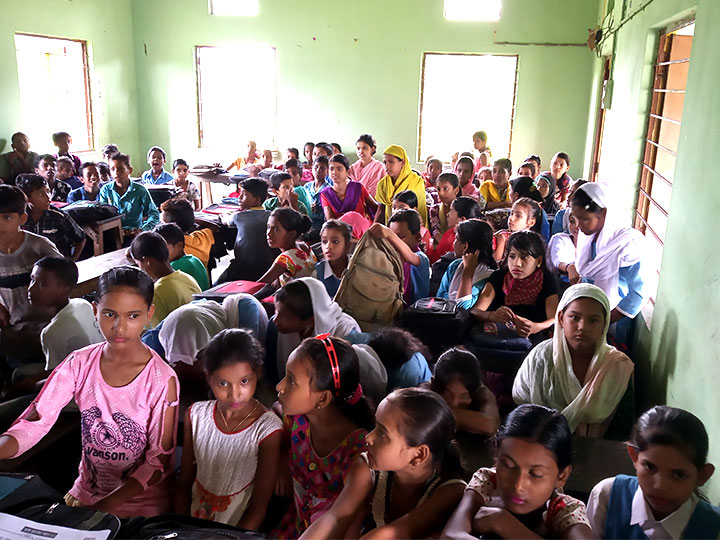
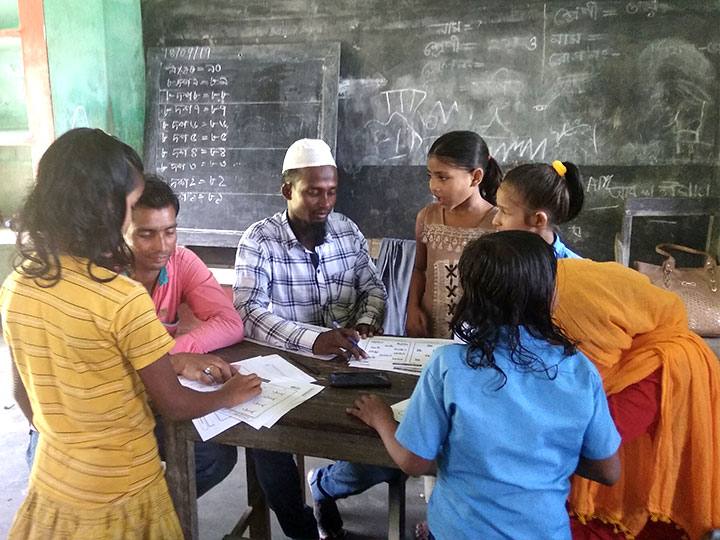
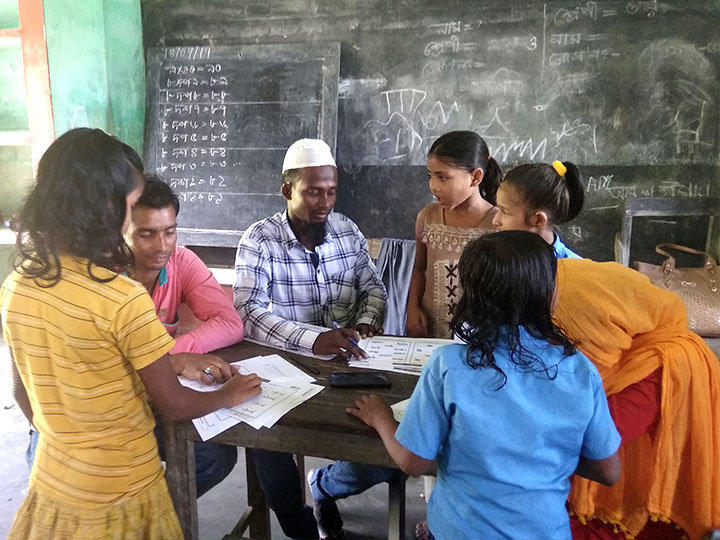
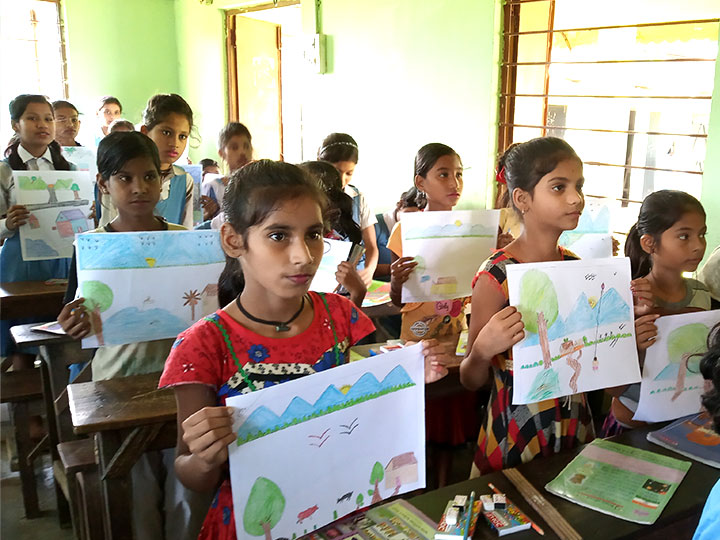
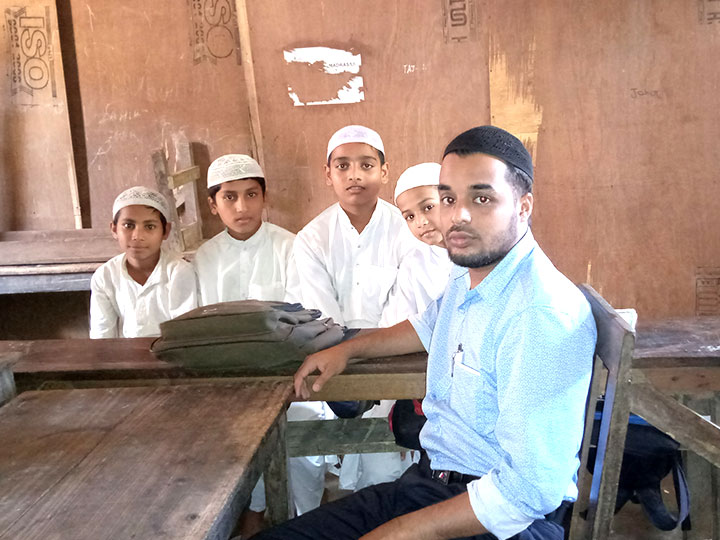
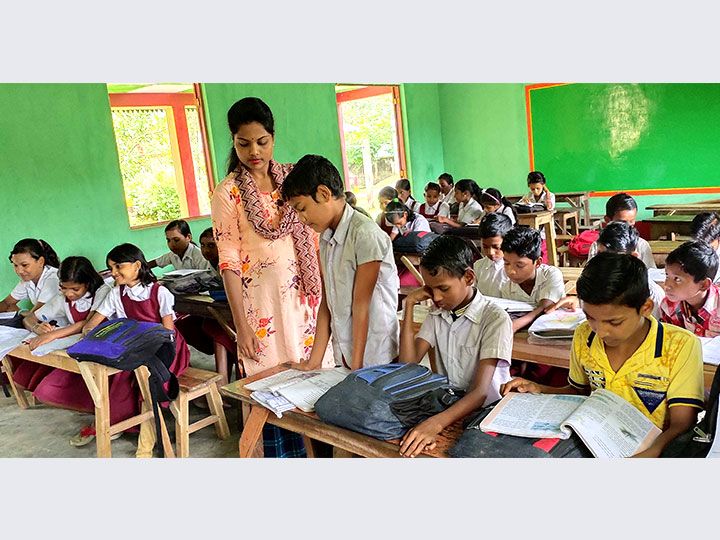
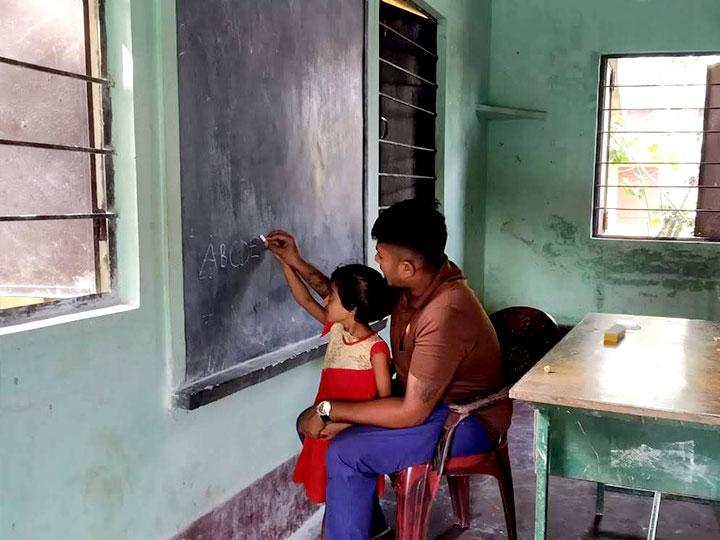
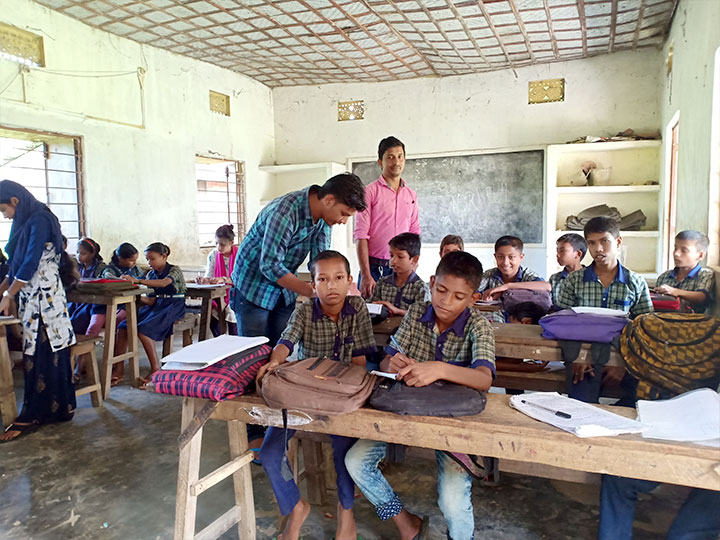
Akanksha is a 45-day course focusing on language and numeracy. Students of elementary government schools are taught by local volunteers under this program. The Accelerated Learning Programme is envisioned to assist students to achieve expected competencies in core academic subjects. The unique component of the programme is the specially designed learning experience customized for children’s special needs.
Local youth teaching students of government schools has become a common sight in Hailkandi for past five months. Most of these students hail from Below Poverty Line with their parents working in either tea plantations or other daily wage labour jobs. The program is driven by power of youth on display.
In the first phase of Akanksha, from September to December 2019, 230 education volunteers and teachers were involved in raising the learning outcomes of students of lower and upper primary levels in 100 government schools across the district. “Following the successful implementation of Akanksha Phase I, the education scenario has changed considerably at the elementary stage. The learning outcomes of students of lower and upper primary levels have registered a 30 percent increase in a span of 45 days,” tells Sadasiva Reddy, Program Leader, Kaivalya Education Foundation. The programme with a focus on language and mathematics is aimed at extending additional help to students who have performed below par in language and mathematics and are lagging behind the rest of the students in a normal class situation. “The program helps to raise the language and numeracy levels at an early stage to increase the pace of learning of the students in the aspirational district,” adds Reddy. The programme also uses the Google BOLO app to increase reading levels.
The Accelerated Learning Programme improved student learning outcomes by 30% in 100 Happy Schools, thereby causing an impact on 15,000 students. In appreciation of their efforts which directly contributed to the improvement in the learning outcome for the period September to December, the district administration organized a certificate distribution event for the volunteers. Of the 230 volunteers, 180 received certificates from the Deputy Commissioner.
The Akanksha Phase II of the program is set to impact another 230 schools. The ALP is envisioned to assist students to achieve expected competencies in core academic subjects. Skills and competencies are mapped through NCERT parameters. “Language framework enables students to read two sentences with three to four words while Maths framework helps them to do simple two-digit addition and subtraction with borrowing,” tells Reddy.
The program has helped to accelerate the pace of learning of students who lagged behind others in a normal class situation in language and numeracy. Phase II of Akanksha is set to create greater impact on the learning outcomes of Hailkandi with the willpower and energy of youth volunteers at display.
My school, my right
When students campaign for the rights of their friends, when teachers strive for education for all, when community heads participate in school’s enrollment process, when district administration shows keen interest in uplifting all out-of-school children; it doesn’t remain mere an enrollment drive, it becomes a mass movement. One such movement rose in Sitamarhi in the year of 2018 which led to remarkable impact on the enrollment of government schools of the district. Limca Book of World Records also acknowledged Sitamarhi’s record setting rise in enrollment in past two years. As a matter of fact, the movement mobilised the community to enroll 17605 out-of-school children in government schools in the year of 2018 across 17 blocks of the district. Next year, in 2019, the enrollment increased further when 20950 more children started attending school.
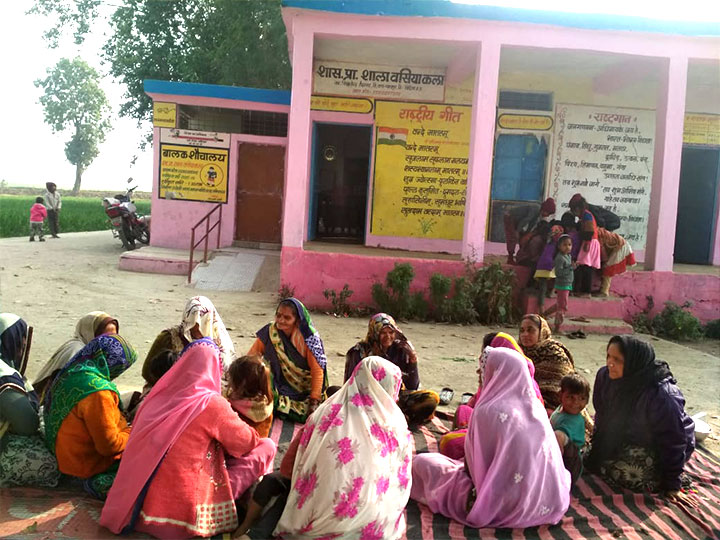
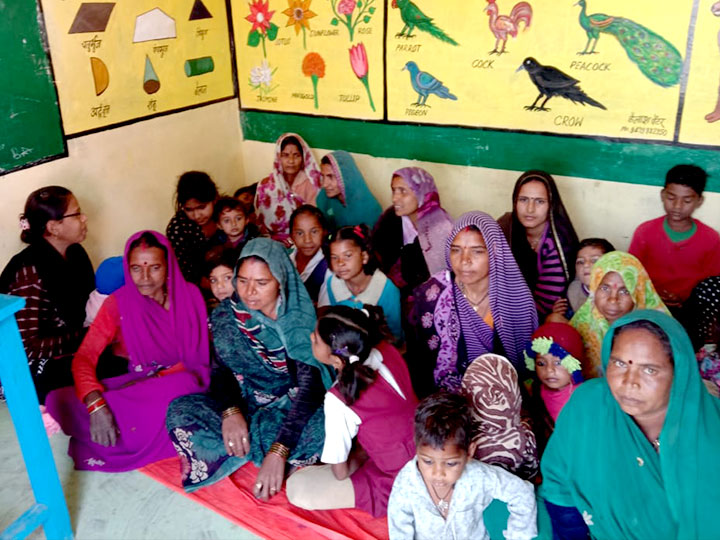
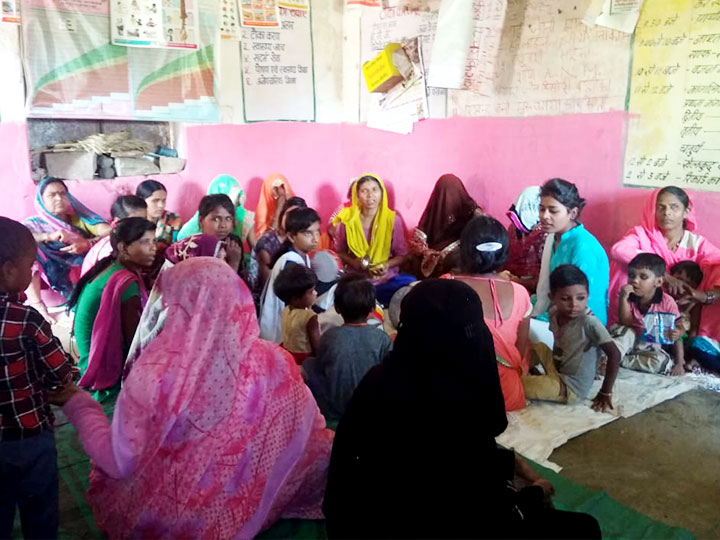
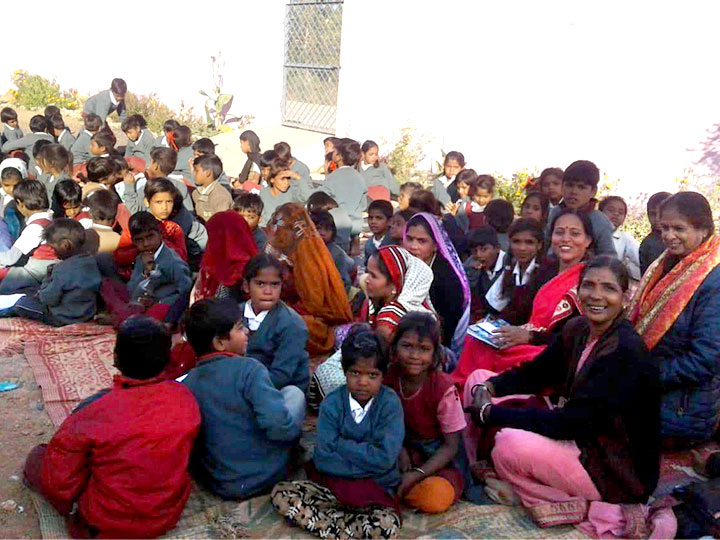
Setting this inspiring movement in motion was not a day’s task considering the demography of the district. Lying in Mithila region, Sitamarhi is one of the 38 districts of Bihar. Considered by many as the birthplace of Sita, the main character of Hindu epic Ramayana, it is well known for its spring festival Ram Navmiin Durma. Majority of the rural population of this culturally rich district consists of farmers and daily wage labourers. Men of few households migrate to cities in quest of better livelihood opportunities. Circumstances are such that earning daily bread generally takes priority over the education of their child for the parents.
“In the beginning of 2018, when we started interacting with the community we were told that they would rather send their children to agricultural and labour jobs than to schools,” tells SaloniSapna, program leader ofPiramal School of Leadership. When poverty is the biggest challenge, education takes a backseat. “Our interaction with the community did not suffice, we had to mobilise the whole education system to bring about a change in the mindset of parents as they could not foresee the benefits of educating their children,” she adds. Piramal School of Leadership has been working in Sitamarhi for education transformation since 2018. They joined hands with District administration to turn the tide.
The then district collector Dr. Ranjit Kumar Singh spearheaded the movement by e-addressing the teachers and community members through Awaaz De platform of PiramalUdgam. He emphasized on the importance of education and how it creates new career opportunities. His message gathered momentum when teachers and village heads started interacting with the parents of out-of-school children about various doors that education shall open up for their children in future. Continuous dialogue with live examples was the key. “We followed a top to bottom approach where emphasise on education for all and the zeal to improve enrollment in schools trickled down from the district headquarters to block offices to school headmasters and ultimately to community members,” tells Sapna.
Teachers went door to door explaining the importance of education to the parents. PrabhatPheriswere organised in every village in which students rallied with their teachers chanting slogans about education for all. Slogan of the movement, “MeraVidyalyaMeraAdhikar” which translates to “my school, my right” slowly ingrained the value of ownership over their education in the students. Banners and posters on Right to Education, Importance of Education, and Schools’ Best Practices were printed and posted for all 2007 schools of the district. Student bodies like BalSansad and MeenaManch performed street plays on intersections and crossroads. School heads collaborated with village heads to organiseChaupalmeeting with the community members. Village heads advocated education for all amongst their people. They participated in PrabhatPherisas well. The key message of all these activities was for the parents to enroll their children in schools for their better future. Students played a very important role in the movement. They were advocating right to education of all the children in their respective villages with their slogans, plays, and songs.
These continuous efforts of the district administration, Piramal School of Leadership, school, students, and community members led to a record setting enrollment for two consecutive years. The goal is education for all children. The collaborative and continuous efforts of spreading awareness about schooling and education will not stop in Sitamarhi until all children of the age group 6 to 14 are enrolled in schools and getting education. Education is a right that they cannot be denied of, not even by their parents.
Where Mothers Meet Schools
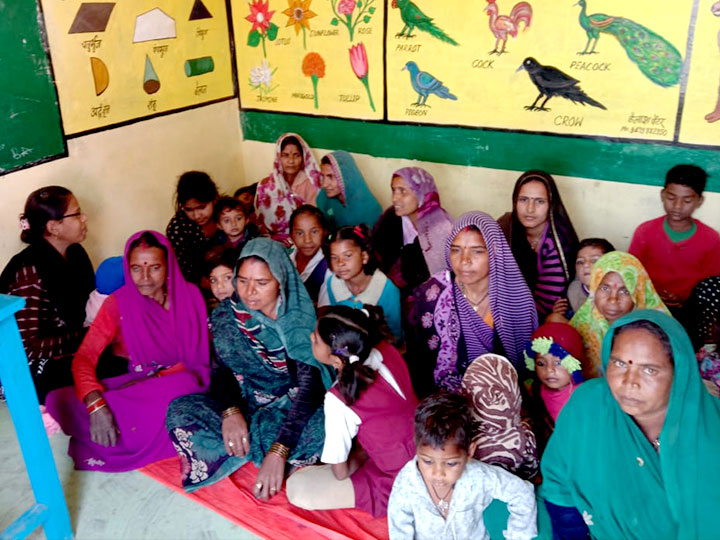
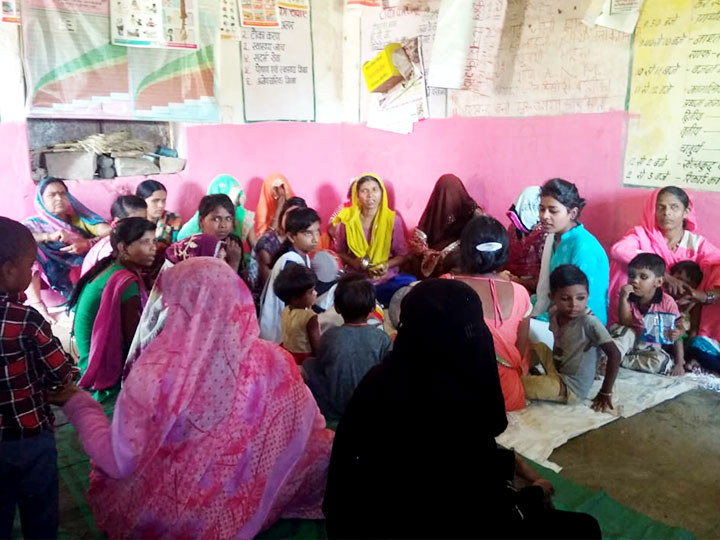
Folklores say a lot about people of a community. Understanding the lore is a very important part of connecting with a particular culture and in turn with the people of that culture. Bulauwa is a traditional gathering of adivasi women of Vidisha district of Madhya Pradesh on festivals, celebrations and agricultural off days. Vidisha lies on the Vidyanchal Plateau off the main Vidyanchal Range. Three blocks of the district are predominantly adivasi regions; namely Lateri, Natayan, and Chirunj. A few bangle making nomadic communities also visit the district from time to time. Most of the students of government schools here are first generation learners.
It becomes difficult in such communities, to organise parents’ teacher meetings in order to share a child’s growth in school. Men are generally busy in community nuances and women tend to spend all their time in managing the household and doing agricultural work.
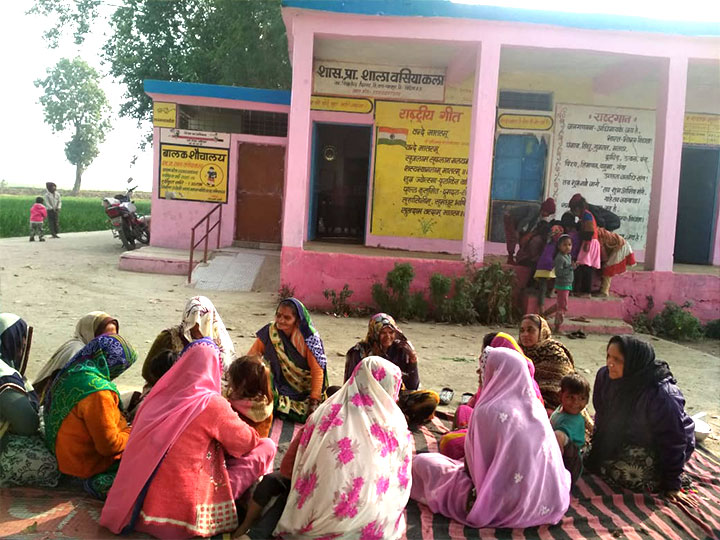
Attendance rate tend to be low and majority of girls drop out of schools. When the economic and social backwardness of the community was becoming a challenge for the education system in Vidisha, culture of the community became a tool to overcome the hurdles.
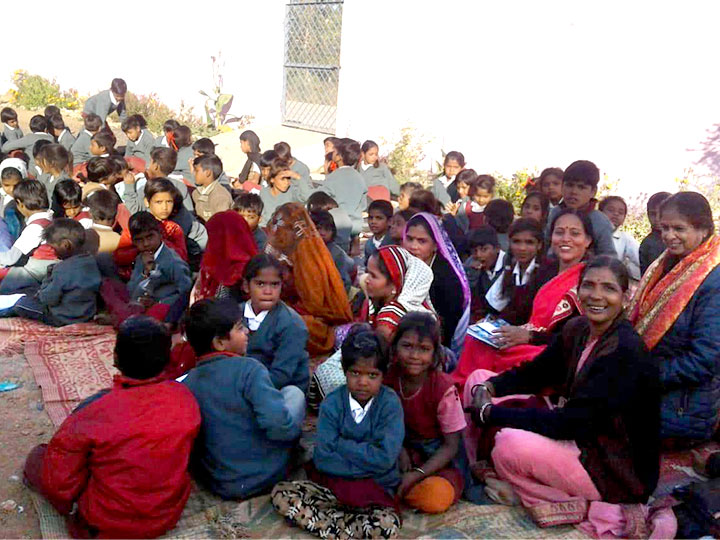
“Teachers of Lateri block of the district tapped on the traditional importance of Bulauwa to invite women to schools for their gathering once a month. The initiative has worked tremendously well to increase enrollment in the schools here,” tells Harjinder Singh, Program Manager, Kaivalya Education Foundation. Bulauwa is a practice of women gathering after lunch on festive days to sing and celebrate the tribal traditions of the community. Since July 2018, women have been doing Bulauwa in school premises. Harjinder Singh, along with Block resource coordinator Laxman Singh Yadav started this initiative in the schools of Lateri block in July 2018. Since them Bulauwahas spread to all blocks of Vidisha impacting enrollment and attendance rate of girl children of the district. 1621 drop out (female) students have been enrolled in 363 schools since then.
The gathering is scheduledduring other school activities like BalSabhaand Parents’ Teachers meetings. Women started sharing their fears for their daughters; the fear of harassment, molestation, and misbehavior; those which serve as a cause behind the drop out of girl child from schools along with increasing household work and early marriage of girls. “Women of Vidisha started talking to the system because of Bulauwa,” exclaims Mr. Singh proudly. Gender Coordinators of various villages started connecting with the women, hearing out their survival stories and the issues of substance abuse amongst men. Teachers focused more on the importance of education of girls in these gatherings. Along with enrollment of students in primary classes, girls who have dropped out after elementary school were admitted in senior secondary schools and their mothers sent them to girls’ hostels. Education Officers of Vidisha consider it a big step towards education empowerment in the district. Mothers go to these hostels as well for Bulauwanow.
Harjinder Singh has become a part of the family for these women. Talking about them, he says,” Women have become more confident and they have started asking teachers about their children’s performance and growth. They have started removing their veil as well in school. They share their challenges and aspirations with me which makes me feel responsible.”
School needs community as much as community needs school. Bulauwacampaign is a live example of how better community school relationship can lead to positive change. It is important for holistic development of a child. Women want better future for their daughters, a better life than what they are leading now. These women, gender coordinators, teachers, and block resource coordinators are playing an important role in the success of the campaign. In past 19 months, 47,000+ women have participated in Bulauwagatherings. Students are performing better and they get awards from their mothers for good attendance and excellent academic performance. Both the mothers and children feel the sense of pride and dignity in the process. Bulauwais treated as an established process in schools of Vidisha now and it will continue to create a positive impact on community school relationship, enrollment, and attendance rate of students in near future.
Pakur’s Change Story – From the desk of district collector
Pakur District Administration has worked on multiple policies and initiated significant innovations in education infrastructure and leadership development.
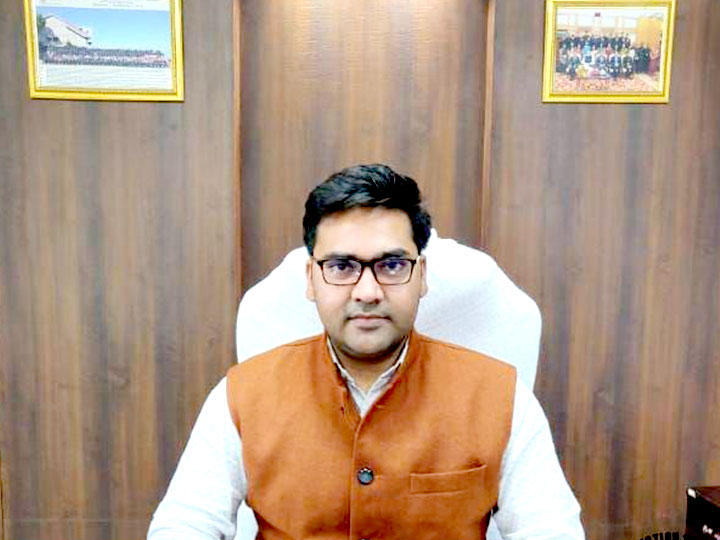
I took charge as the Deputy Commissioner of Pakur District in November 2018. At the time I joined, Pakur was in the 111th place out of 115 in the NITI Aayog ranking of Aspirational districts. Since then, Pakur District Administration has worked on multiple policies and initiated significant innovations in education infrastructure and leadership development. Seven months later, in May 2019, Pakur achieved first rank in Education and second overall. Pakur’s quantum leap is even more impressive when looked at through the unique challenges the district presents. As an inherently complicated tribal area, there is a mix of languages predominant in the communities, making it difficult to drive initiatives fast. Further, schools located in hilly terrain are unreachable by standard transportation or communication channels. With our administrative difficulties in manpower, radical change was slow to propagate.
The transformation of our Education system took place through three major projects – in school, in offline leadership support, and in community. These projects were supported by extensive policies and redirection of funds facilitated by extensive collaboration of multiple offices in the district. Our journey in education also witnessed an increase in employment and improvement in health. In a structure as large as the district, scaling new education processes is especially difficult. We followed the strategy of setting up demonstration schools in each block so that all the innovations can be funneled into these schools. We envisioned that once the innovations are ironed out, it will be taken up by the schools around them. The idea started with 300 libraries being set up in October 2018. Following this, in the period of January – October 2019, Smart Classes were set up in 59 schools while tackling geographic and language challenges. By March 2019, 59 school infrastructures were revamped such that the Building serves as Learning
Aid (BaLA) for children. Now, the success of these innovations makes it ripe for replication in a wider ecosystem. BaLA has already been taken up in 100 more schools since October 2019. Teachers, School leaders and Officials also need support in understanding concepts of pedagogy, leadership and keep themselves updated on the initiatives. Understanding this, we set up a call center for virtual support in February 2019. Local women trained to handle technology operate the center to provide live support on a toll-free number, send out information broadcasts to officials, collect and collate data for government initiatives and facilitate WhatsApp groups where peer groups can interact and learn. This initiative was endorsed by Honorable Chief Minister of Jharkhand Mr. Raghubar Das, who appreciated both Women Empowerment and the technical approach towards education when the Memorandum of Understanding was being signed. Since then, the center has reached out and helped 10,000+ last mile workers in the education system. In a very critical move, our administration created a movement in the community in the form of a Jan Andolan. 500 to 22,000 people of Pakur joined the initiatives lead by the Village Mukhyas. The ownership taken up adds to the richness and fruitfulness of the initiatives, for example, an increase of 27,000+ in enrollment. Further, Gandhi Fellows worked closely with community members and Head Masters to create a conducive learning environment for students. In Amrapara, a block in the district, there was a 24% improvement in attendance as a result of this. The overall number in the district was 12%. In this journey, Piramal School of Leadership acted as consultants who listened and understood the specific needs of the district. It was my personal experience that usually NGOs come and work only for a short time and it was difficult to build trust with them as they looked to do what they wanted without focus on equity and scale. However, upon interacting with Piramal School of Leadership as resource people, advisors and change managers, I found great value in their expertise in these initiatives.